Engaging with Animism through the lens of Body
This piece is the second of three articles exploring animism: the first explores animism and art; this one explores animism and the body; and the third, yet to come, will explore animism and wilderness rites of passage.
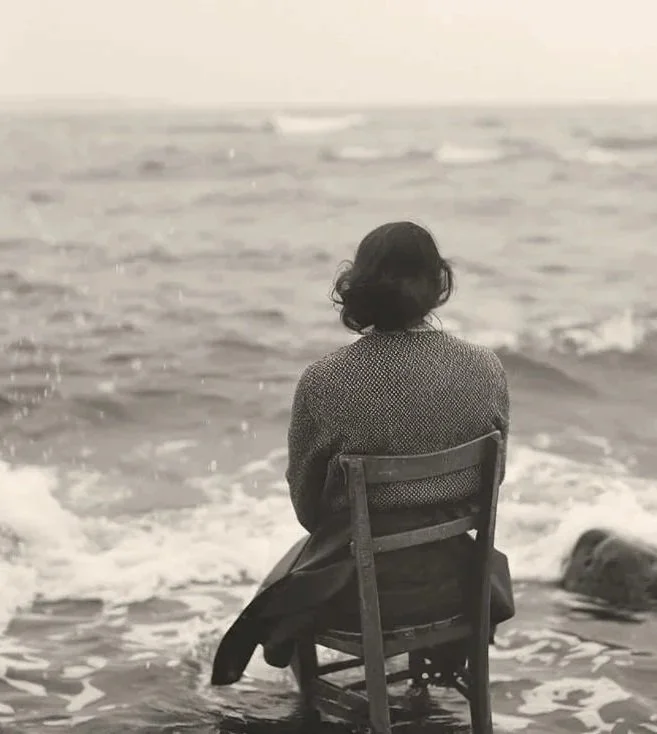
Animism is a way of encountering the world as living, breathing community.
In 2018, I began training in Focusing, the somatic therapeutic technique developed by Eugene Gendlin. If you have heard of Somatic Experiencing (SE), then you are close. There are clear similarities, though they are not the same. SE, developed by Peter Levine, is primarily trauma-oriented, whereas Focusing is broader and not specifically framed around trauma. Levine’s somatic tracking draws directly on aspects of Gendlin’s Focusing - particularly the concept of the ‘the felt sense’.
Over the years, my love and respect for Focusing has continued to grow. As I trained in different approaches - alongside facilitating it for others - I noticed something unexpected: the practice shares a deep kinship between Animism and Focusing.
Animism
Animism is not necessarily a belief, but perhaps an echo from unbroken perception. It may have been what the world was like before the myth
of separateness cut us off from the wider web of life we have always been a part of.
An animist worldview perceives and engages with the entire universe as a living, interconnected web of relationships. It is oriented around the realisation that perception is not a one-way process where we observe the world passively.
Instead, there is a participatory way of being that carries the awareness that humans are just one among many expressive participants in the dynamic, interconnected ‘multiverse’ of life.
This is a deeply relational way of being in the world where we might sense rivers as persons, forests as communities and mountains as presences. Remembering that we are not separate from the natural world, but are woven into its very fabric. This way of being honours our more-than-human kin.
These living connections re-emerge not through disembodied abstract thinking, but through direct embodied experience - rooted in our presence, sensory awareness, and the cultivation of reciprocal relationships.
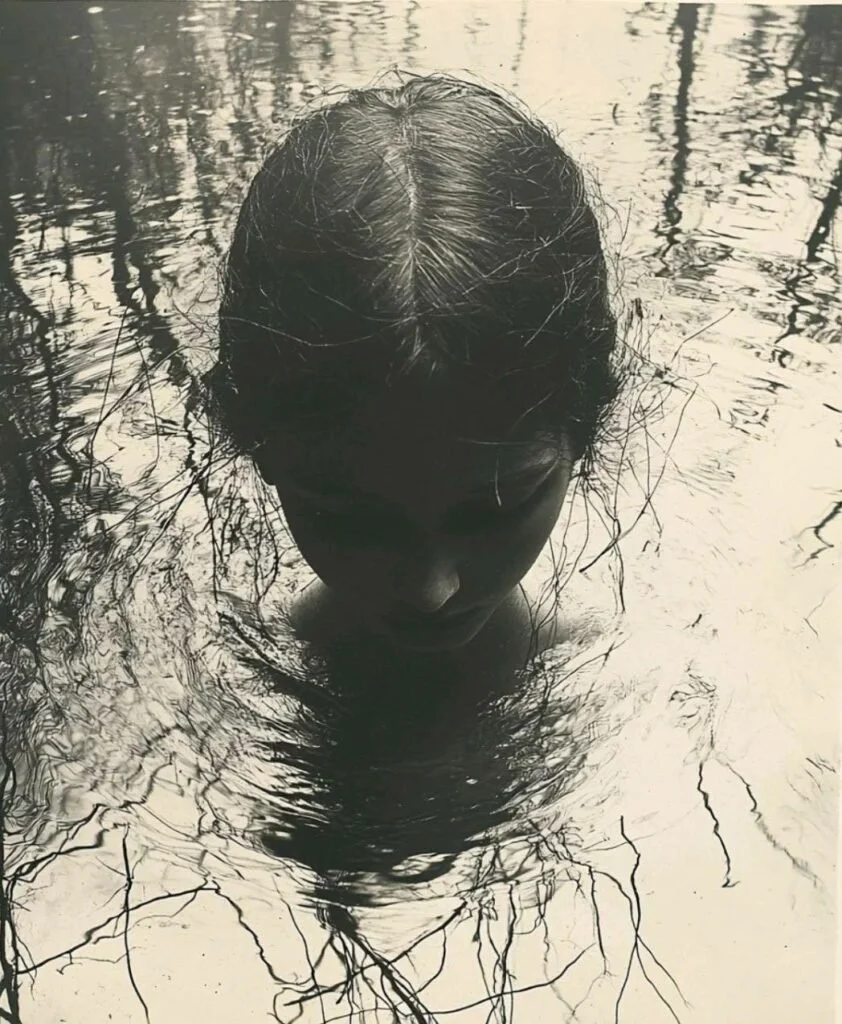
We are a living world and we belong to a living world.
We Happen Together: what Focusing & Animism share
At first glance, Gendlin’s Focusing and Animism might seem worlds apart - the former rooted in contemporary therapeutic practice, the other in ancient spiritual traditions like those still lived by Siberian shamans and the Koyukon peoples.
Yet, Focusing carries a remarkably similar invitation. It is a somatic practice where we turn our attention inward, tuning into the subtle, unspoken language of our bodies - what Gendlin called the ‘felt sense.’
In his deeper philosophy, A Process Model, Gendlin introduces a radical way of looking at life. Instead of treating the body and the environment as two separate objects, he describes them as a single process: Body-Environment. In this incredible and notoriously complex book - which I confess I am not even a quarter of the way through - Gendlin speaks of the body as environment. He uses the beautiful phrase "we happen together" to describe how we - environment and self - are generating each other in every moment. We are co-emerging, or what the ecophilosopher David Abram playfully calls "co-mingling."
When we follow this kind of body-based listening we find that the path of Focusing can open a doorway directly into embodied animism.
“ It is commonly said that each of our relationships ‘brings out’ different traits in us, as if all possible traits were already in us, waiting only to be ‘brought out’. But actually you affect me. And with me you are not just yourself as usual either. You and I happening together makes us immediately different than we usually are. How you are when you affect me is already affected by me, and not by me as I usually am, but by me as I occur with you. ”
Embodied Animism
For a very long time, I practiced Focusing exclusively indoors concerned the outdoor world disturb my inward somatic tracking.
But when I finally ventured outside, something shifted and something unexpected occurred - what I can now articulate as my first direct experience of Gendlin's concept 'we happen together,' long before I had ever picked up A Process Model.
I remember the moment vividly: I was flipping between being able to connect inwardly or ‘being disturbed’ by what was happening around me. When this inner wrangling to keep the environment out suddenly shifted into what I can only describe as a relaxed explosion of everything, everywhere, all at once.
The closest I can get to expressing the feelings of this experience of the animist body is through the Odilon Redon painting below.
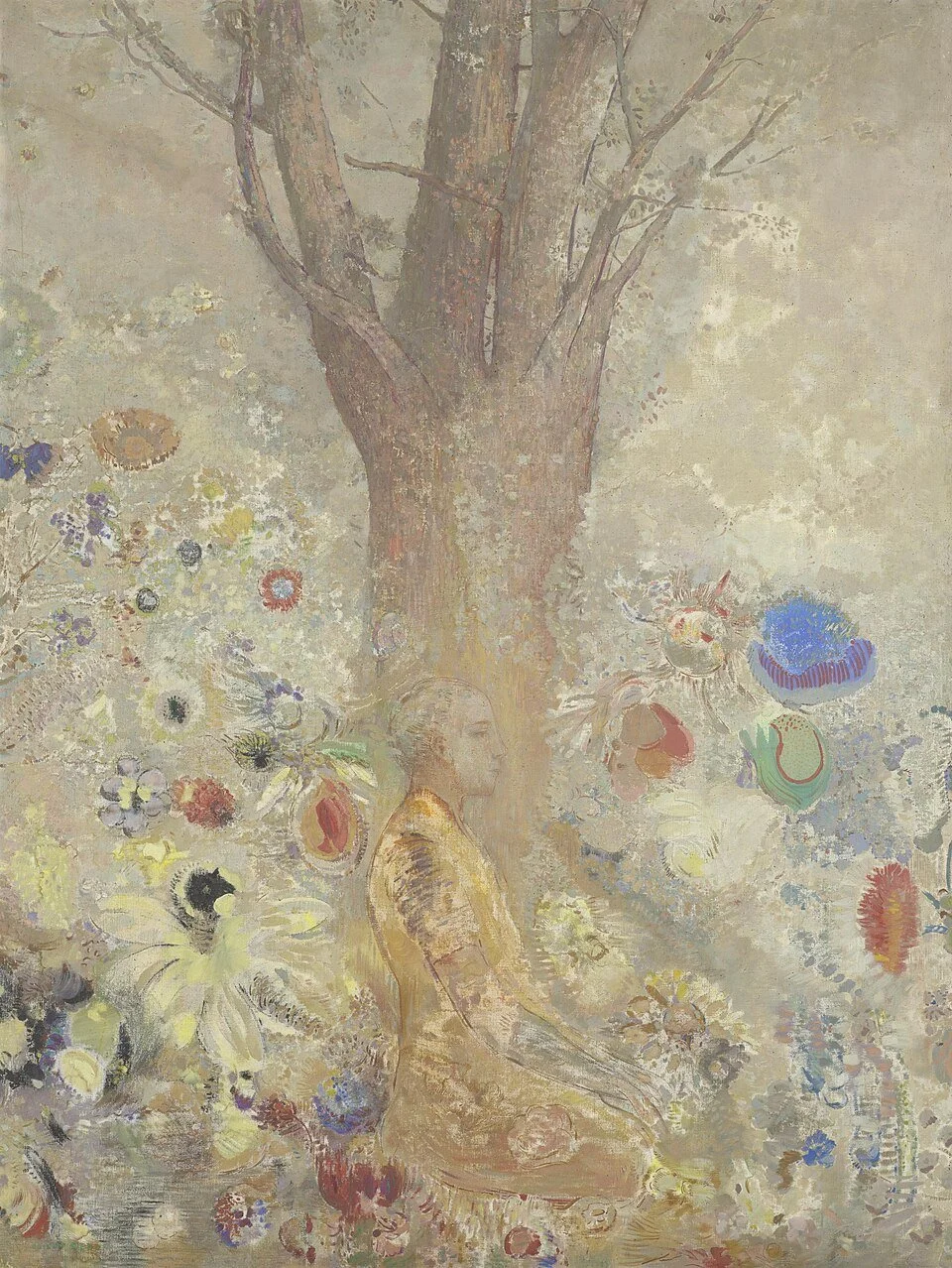
If your [absolute] autonomy is a fiction, then the goal of the alchemical work, the goal of individuation, is to learn that the real autonomy is to let go of what you think of as your self. You are a song being sung elsewhere, and resonating everywhere.
Tom Cheetham
Since then, I have been slowly blending 'we happen together' into my nature-based facilitation. After weaving elements of this practice into my Murmurations Mentorship and Buddhist retreats over the last few years, I now feel ready to offer it as a standalone programme called Embodied Animism.
Embodied Animism simply put, it is a specific way of applying somatic practices in relationship with the more-than-human world, opening us up to the numinous.
Focusing and Mundus Imaginalis
This kind of body-based listening reveals that the seemingly ‘inward’ turn of Focusing does not end within the bounds of traditional, isolated psychology. While it remains an excellent therapeutic method, Focusing can also serve as a gateway into what the philosopher Henri Corbin called the Imaginal Realm. Distinct from the imaginary world of mere fantasy or make-believe, The Imaginal is a dimension of reality that can be sensed and experienced - viscerally, visually, and kinesthetically - when we expand our perception beyond a materialist worldview to encounter a living, ensouled world.
I’ll delve deeper into this in my next article.