
Coming Home to an Animate World: Creativity and Animism
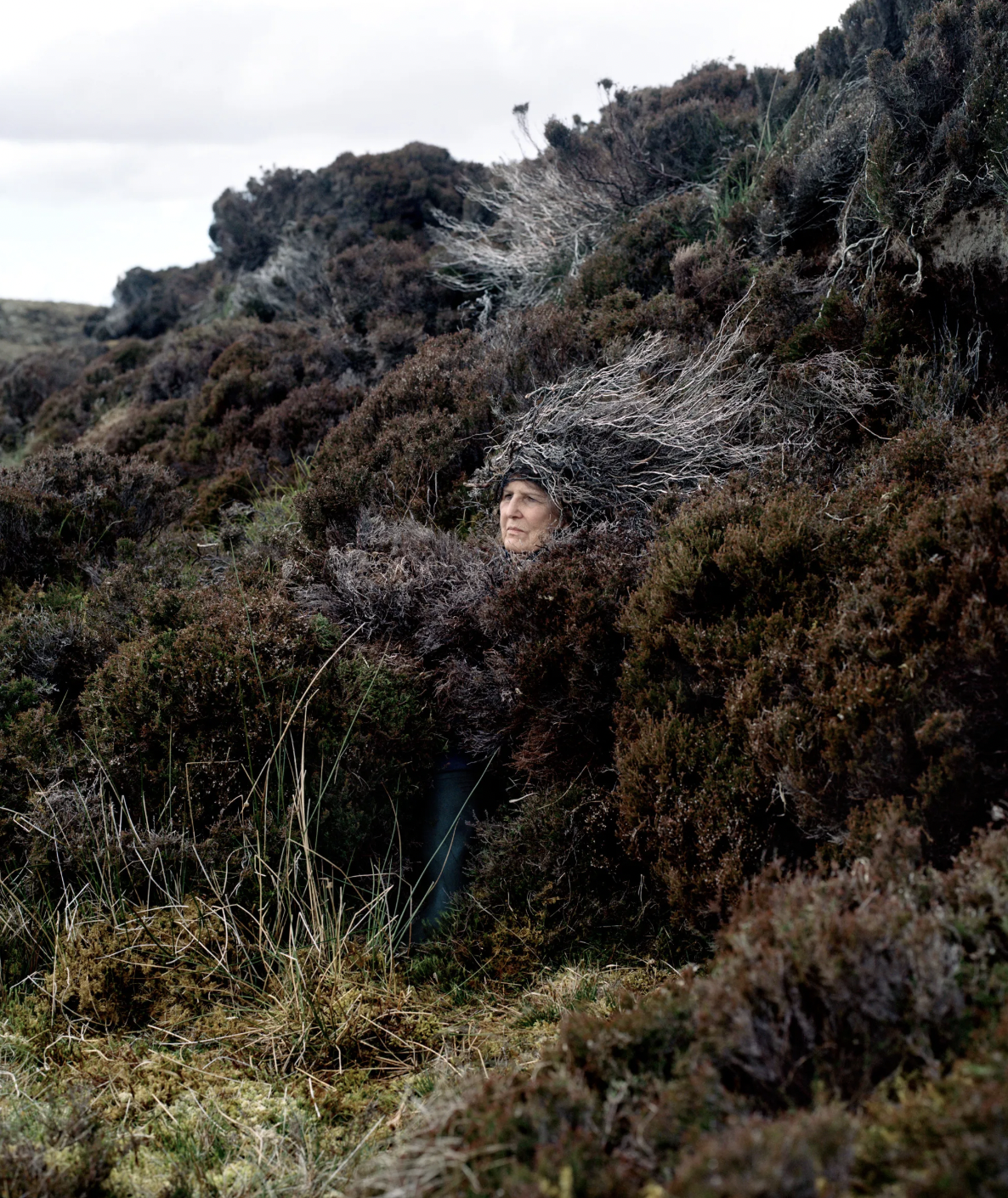
Animism is a way of seeing the world as a living, breathing community.
This is the first of three articles in which I explore how animism can inform creativity and artistic practice, and how making art can become a way of entering into relationship with the living world. The second article turns toward Soulcraft; exploring dreams, nature, and the imaginal as gateways into animacy. The final piece introduces a body of work I have been developing called Embodied Animism.
But what is animism?
It is very hard to live in a world defined as dead matter. A purely materialistic worldview dehumanises us and breaks our spirit. Many of us have been taught to see nature as little more than a resource, or as a scenic backdrop to our lives -blinding us to the living intelligence of the Earth.
Animism offers another way of being. It understands the world as a living community where everything is interconnected and participatory. It invites a deeply relational way of inhabiting the world, reminding us that we are not separate from nature - we are interwoven with it.
When we begin to meet all the other-than-human beings of the world as living presences, life feels richer, deeper, and filled with wonder. We begin to remember our place within the web of life and to root ourselves once more in relationship, reciprocity, and reverence.
This is what buddhists might call Inter-Being, what wilderness guides sometimes describe as The Mirror of Nature, and what some shamans refer to as Animism.
Rooted in indigenous wisdom and echoed in modern ecological thinking, the animist perspective reminds us of something ancient and essential:
We belong to a living world.
“ Traditonal Koyukon people live in a world that watches, in a forest of eyes. A person moving through nature - however wild, remote, even desolate that place may be - is never truly alone. The surroundings are aware, sensate, personified. They feel, They can be offended. And they must, at every moment, be treated with the proper respect. ”
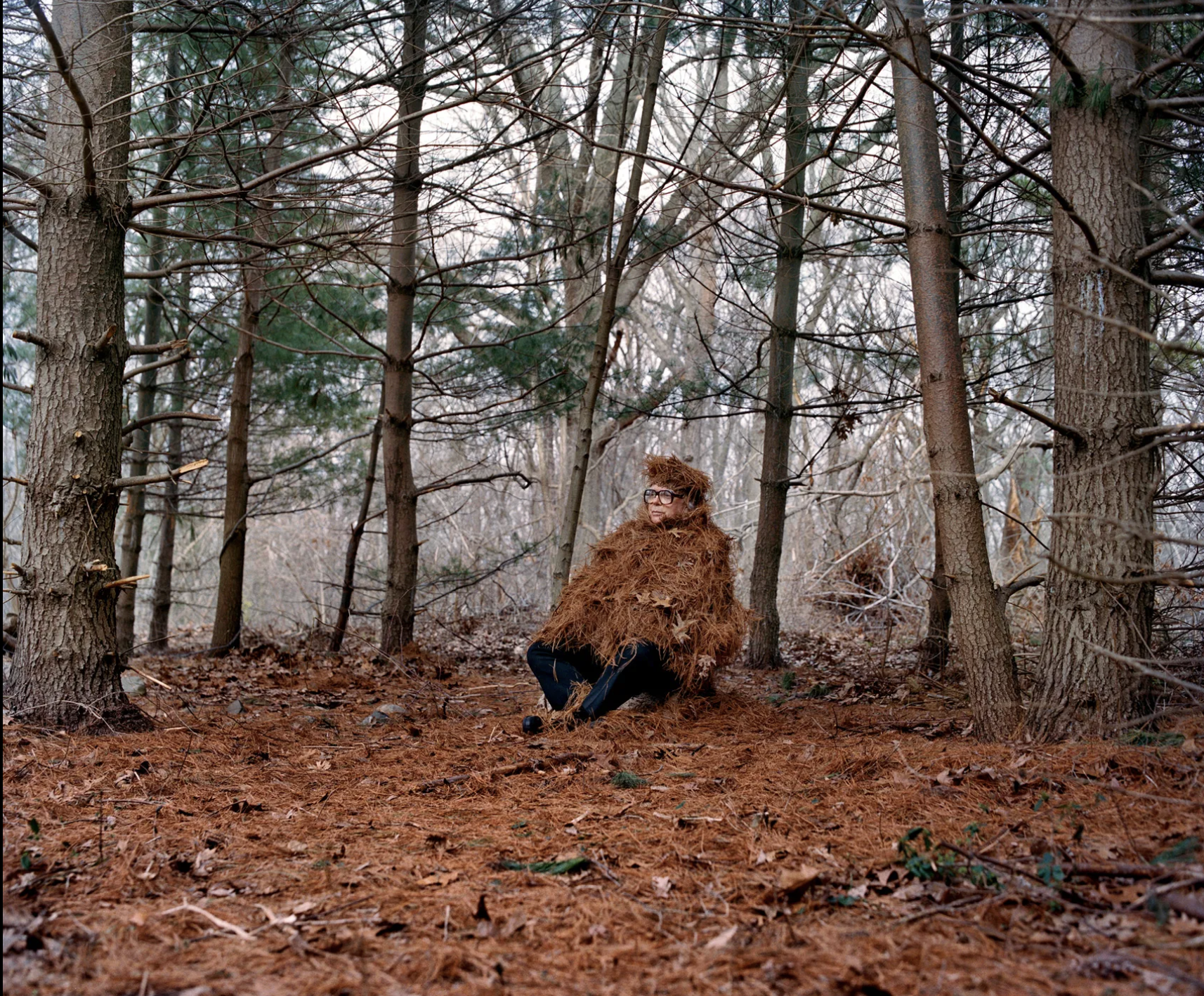
In touching I feel myself being touched. In seeing I also feel myself seen.
Animism & Art
What if art was not something you made, but a relationship you entered?
I am sure that in my thirties when I was a practicing fine art photographer and teaching photography I would not have used the term animism to describe how I was working. Though, looking backwards over a life often makes it easier to join certain dots and some twenty years later I can see that this was the case…
At some point I became interested in questioning the usual assumption that I was the one making the photograph.
Instead of seeing photography as a one-way act - me taking a picture of a subject - I became curious about the RELATIONSHIP between myself, the photographer, and what was being photographed.
The landscape photographer Charlie Waite sums this up well when he says:
“ A good photograph is a received one, an exchange
between you and the landscape in which you allow the landscape to speak. ”
Over time, I began to feel that the subject was no longer passive. Instead, it seemed to engage with me through a kind of attraction or resonance. Rather than me - the photographer - choosing a subject, it often felt as though I was being drawn toward something that wanted my attention, and the result of that encounter became the photograph.
This led me to become curious about a subtle quality that seemed to arise between myself and whatever I was photographing. I began to think of it as attraction, resonance, aliveness - an exchange between the subject and my attention.
Gradually, I became more interested in that exchange than in the subject that seemed to catalyse it. And I found myself following the exchange, almost instinctively - like a dog following a scent.
I was photographing on film in those days and you might be aware that film photography is a much slower craft to digital photography. The limitation on the amount of images you can make lends itself more easily towards presence. So it was the film camera that galvanised my attention and became a catalyst for a new way of noticing-sensing-being.
Through it, I began to sense what I can only describe as the aliveness of things, and the beginnings of relationship with the more-than-human - that felt reciprocal.
What intrigued me most was that this quality of aliveness did not appear only in relation to conventionally beautiful subjects. It could arise anywhere. A kind of equanimity emerged, where the ordinary and the overlooked could hold the same fascination as the spectacular.
This realisation opened me into a wider field of awareness - one less concerned with finding, or being found by a subject and instead, more receptive to everything as aliving.
As you can imagine my photographic practice had changed drastically by this point. My images had become much less concerned with seduction or visual beauty.
I moved away from singular, stand-alone photographs and began working in series. At this point what interested me most was not the image itself, but the relationship between images - the way meaning passes and is sensed from one to another, like lines gathering meaning as they form a line of poetry.
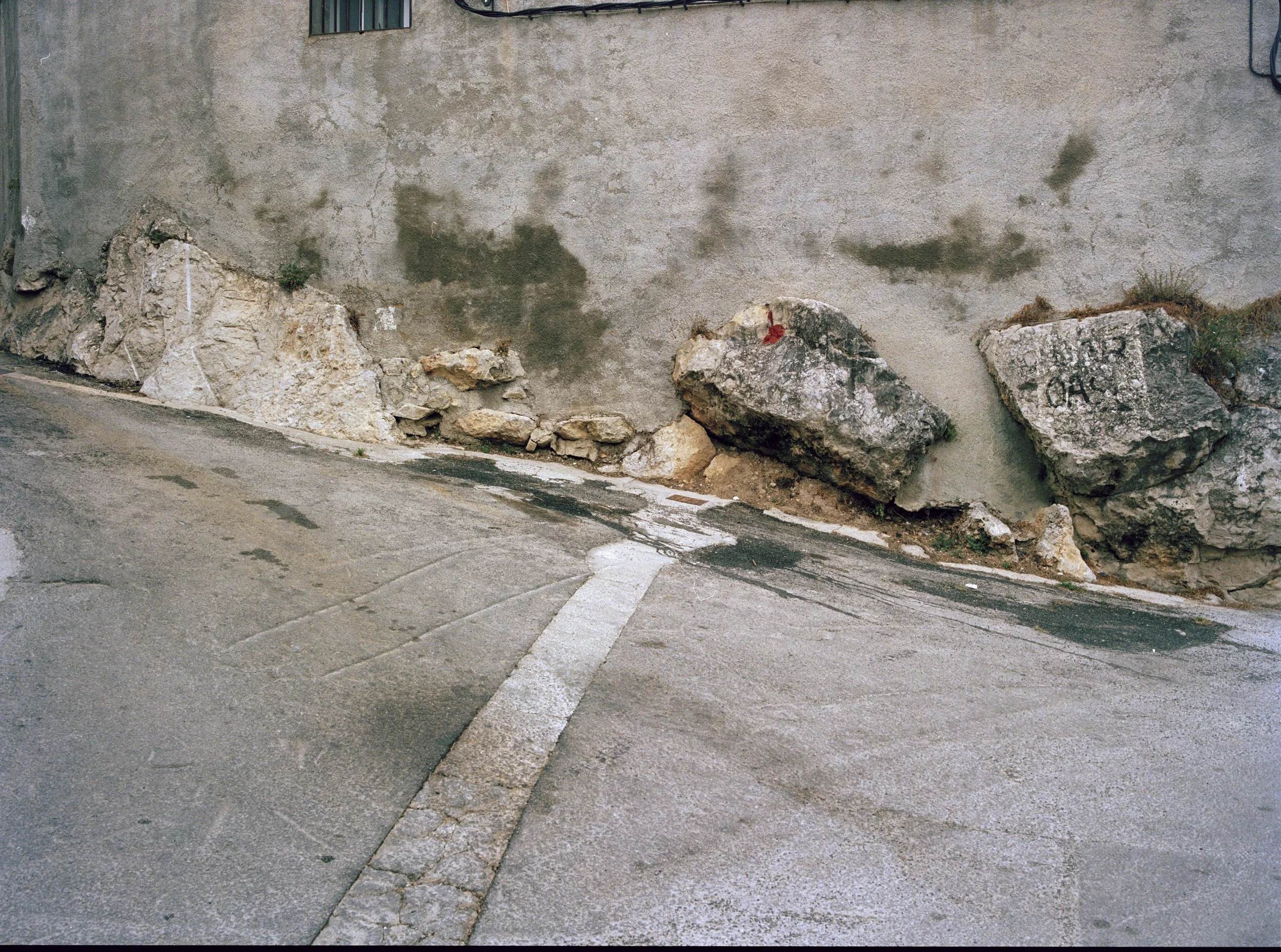
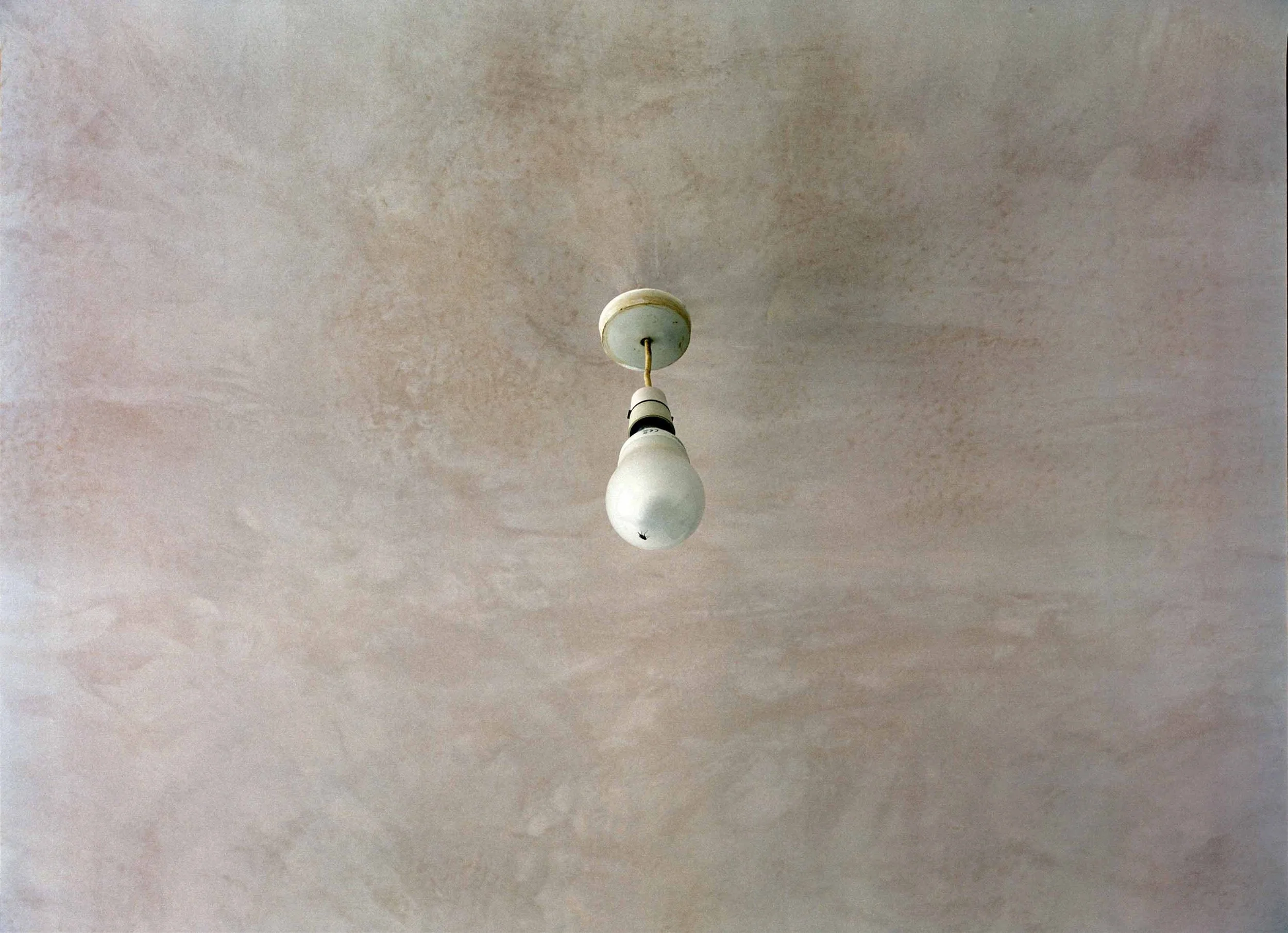
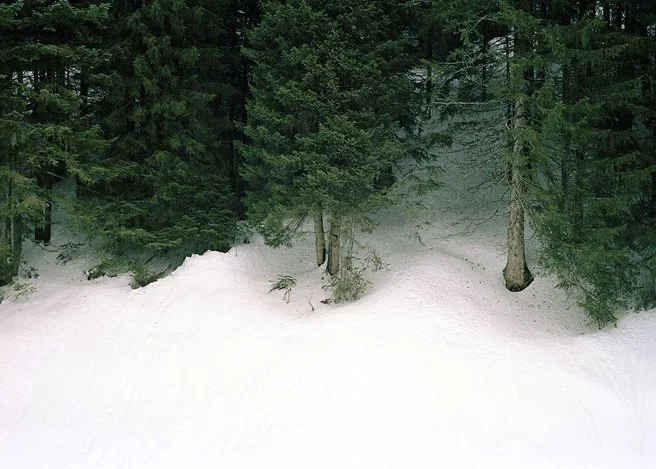
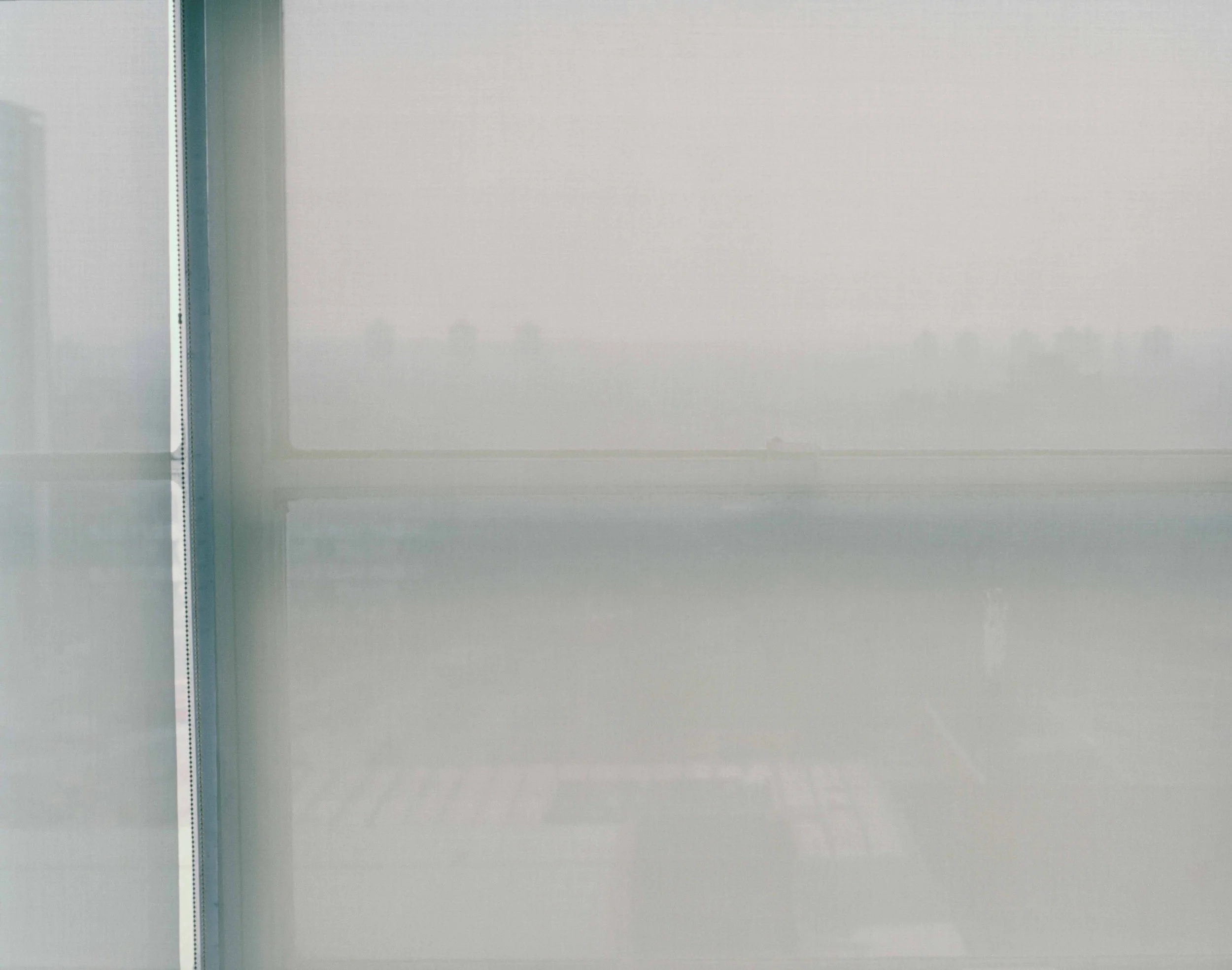
Over time I reached a point where making the image itself began to feel almost redundant. The real gift was no longer the photograph, but the experience of moving through a world that felt vividly alive.
Hence the title of this article - Coming Home to an Animate World.
This was the gift.
Not long afterwards, I let go of my identity as a photographer and began training in wilderness guiding.
Vision Quests and Threshold Walking provide a profound opportunity to remember a long-forgotten way of being: noticing life noticing us, noticing it with us.
See Next Article… Engaging with Animism through the lens of Soulcraft and wilderness vigils.
Here’s another example of what animism might look like from an artist’s, or this case, a poet’s perspective:
As Ruth Stone was growing up in rural Virginia, she would be out, working in the fields and she would feel and hear a poem coming at her from over the landscape. It was like a thunderous train of air and it would come barrelling down at her over the landscape. And when she felt it coming because it would shake the earth under her feet, she knew she had only one thing to do at that point. That was to, in her words, run like hell to the house as she would be chased by this poem. The whole deal was that she had to get to a pencil and a piece of paper fast enough so that when it thundered through her, she could collect it and grab it on the page. Other times she wouldn’t be fast enough, so she would be running and running, and she wouldn’t get to the house, and the poem would barrel through her and she would miss it, and it would continue on across the landscape looking for, as Ruth put it, ‘another poet’. And then there were these times, there were moments where she would almost miss it. She is running to the house and is looking for the paper and the poem passes through her. She grabs a pencil just as it’s going through her and she would reach out with her other hand and she would catch it. She would catch the poem by its tail and she would pull it backwards into her body as she was transcribing on the page. In those instances, the poem would come up on the page perfect and intact, but backwards, from the last word to the first.
We belong to a living world.
“ There is a vitality, a life force, a quickening that is translated through you into action, and because there is only one of you in all time. This expression is unique. And if you block it, it will never exist through any other medium and be lost. The world will not have it.
The world will not have it. It is not your business to determine how good it is, not how it compares with other expression. It is your business to keep it yours clearly and directly, to keep the channel open. You do not even have to believe in yourself or your work. You have to keep open and aware directly to the urges that motivate you. Keep the channel open. ”
It was around this time in my art practice - described above - that I was slogging my way through my Master’s thesis, exploring the phenomenology of Merleau-Ponty, Deleuze’s deterritorialisation, and what I would now call Nature of Mind (from the Buddhist lens).
Urthona - a Buddhist arts magazine published an edited excerpt from my thesis in 2014. Whilst I have tried to write this article here in a way that makes the subject of Animism and Art accessible - the language in the Urthona article is a tad more academic. If that’s your leaning go for it - click this link to read it.
Copyright: Permission must be sought to reproduce extracts from this article.
Photo Credits:
The series of five images side by side are my photographs. It’s a series called, Opening.
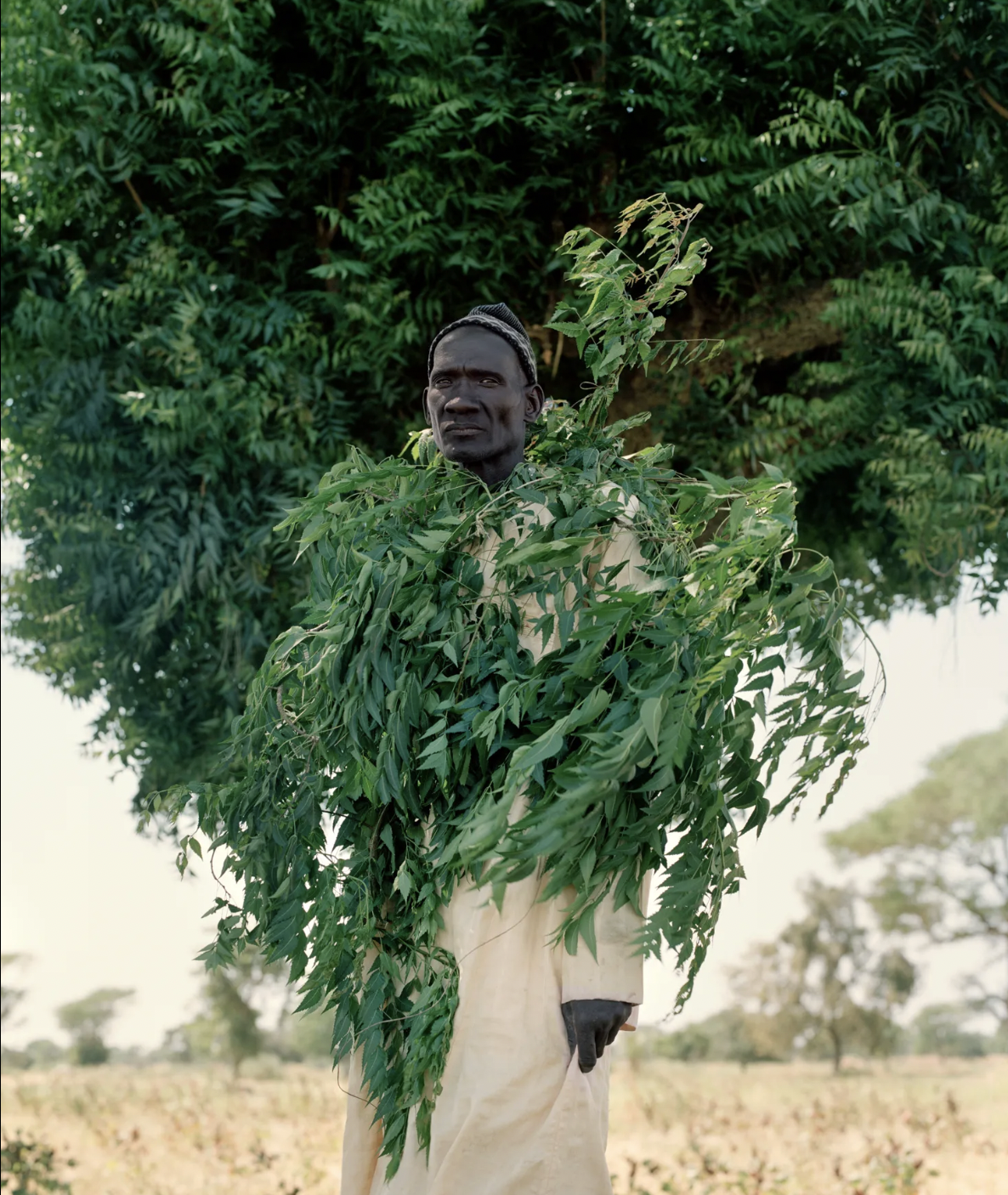
All other images are from the series: Eyes as Big as Plates by Karoline Hjorth and Riitta Ikonen